Dogecoin (DOGE) started as a meme-inspired cryptocurrency in 2013, yet it has grown into one of the most recognizable digital assets in the market today. Unlike many coins that fade with time, Dogecoin continues to be actively mined and used, supported by a passionate global community and a proof-of-work (PoW) system that rewards miners for securing the network.
Mining remains a way for crypto users to earn DOGE directly while contributing to the blockchain’s security. In this guide, we’ll walk you through everything you need to mine DOGE in 2026 — from setup to strategy — with easily understood, step-by-step instructions.
What Is Dogecoin Mining?
Dogecoin mining is the process of using computing power to validate new transactions and add them to the Dogecoin blockchain. Miners bundle pending transactions into blocks and compete to solve a cryptographic puzzle. The first miner to solve it adds the block and earns the block reward — 10,000 DOGE per block.
- Block reward: 10,000 DOGE
- Block time: ~ 1 minute
- Consensus: Proof of Work (PoW)
- Algorithm: Scrypt
Unlike Bitcoin, which uses the SHA-256 algorithm, Dogecoin uses Scrypt - a hashing algorithm designed to be more memory-intensive and accessible to different hardware types.
What You Need to Start Mining Dogecoin
To start mining DOGE, you’ll need a few crucial elements:
1. Dogecoin Wallet
Before earning rewards, you need a secure wallet to receive and store mined DOGE. Wallet options range from:
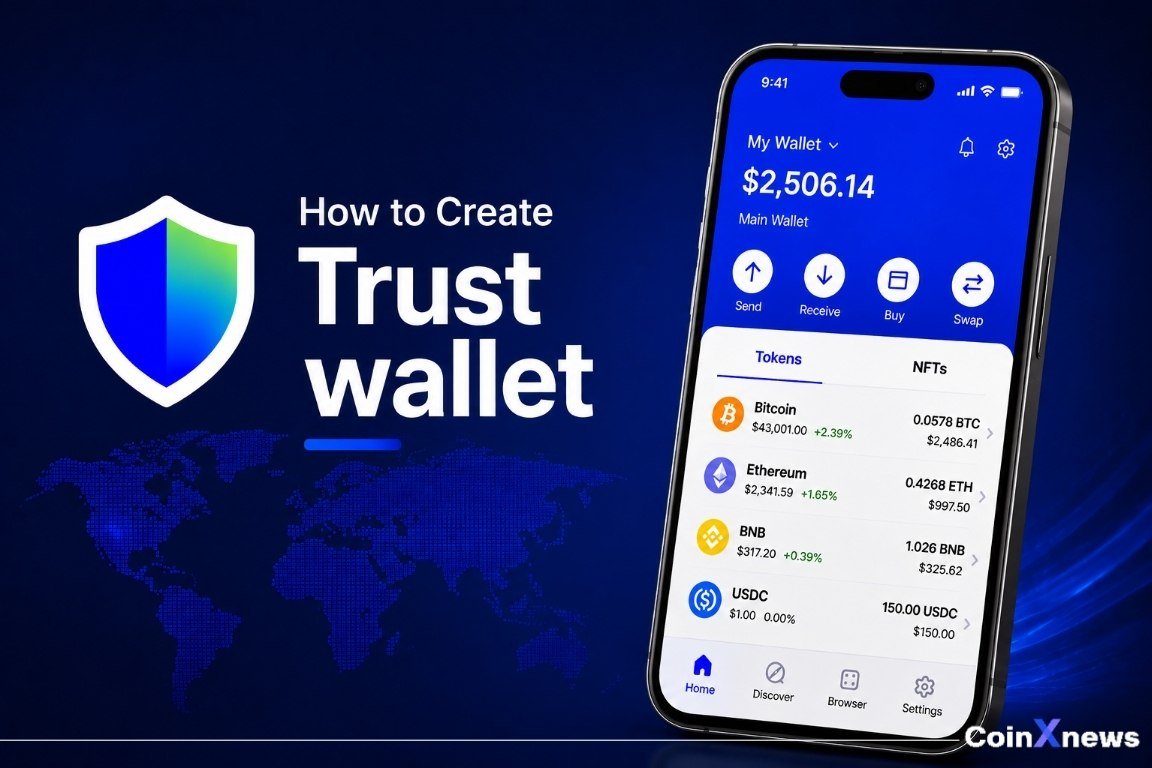
- Software wallets: Trust Wallet, Dogecoin Core
- Hardware wallets: Ledger, Trezor
- Exchange wallets: Binance, Coinbase (make sure you control private keys)
A hardware wallet is best for long-term security, while software wallets offer convenience.
2. Mining Hardware
Mining hardware determines your mining speed and profitability:
- ASIC miners: Most efficient and recommended for serious mining (e.g., Bitmain Antminer L9)
- GPU rigs: Decent for beginners or hobbyists
- CPU mining: Not profitable in modern mining due to low power
ASICs provide high processing power with better energy efficiency, which is essential for profit in 2026.
3. Mining Software
Mining software connects your hardware to the Dogecoin network or a mining pool. Popular options include:
- CGMiner: Powerful and flexible for ASICs
- EasyMiner: User-friendly for beginners
- MultiMiner: Great for switching between cryptos
You’ll need to configure the software with your pool address and wallet details.
Step-by-Step Guide to Mining Dogecoin
Here’s how to get started:
Step 1 — Setup Your Dogecoin Wallet
Create and secure your DOGE wallet. If using a software or exchange wallet, enable two-factor authentication and back up your seed phrase.
Step 2 — Choose Your Mining Hardware
Select hardware that fits your budget and goals. ASIC miners are ideal for profitability, while GPUs are suitable for experiments or learning.
Step 3 — Install Mining Software
Download and install your chosen mining software. Input the following into the software:
- Mining pool server info
- Worker name
- Wallet address for payouts
Configure optimization settings for best performance.
Step 4 — Decide Your Mining Strategy
There are three main approaches:
- Solo Mining: You mine independently; high risk but full reward if successful
- Pool Mining: Join other miners to share computing power and distributed rewards
- Cloud Mining: Rent mining power from a provider without hardware
Pool mining is generally best for consistent, smaller payouts. Solo mining can be profitable only with high computing power.
Step 5 — Start Mining & Track Your Rewards
After setup, your mining software starts working. Monitor:
- Hash rate
- Temperature
- Pool dashboard for payouts
Reward payments vary depending on difficulty and pool—most pools pay automatically once you reach a minimum threshold.
Top Mining Pools for Dogecoin
Working with a mining pool improves your chances of earning DOGE consistently. Some well-known pools include:
- ViaBTC: Offers global services with real-time monitoring
- F2Pool: Supports Dogecoin and merged mining options
- Antpool: Features merged mining with Litecoin and flexible payout structures
Each pool has its fee structure and payout method, so evaluate based on your preferences.
KuCoin Adds Dogecoin Mining Support
Crypto exchange KuCoin has launched its own mining pool service, KuPool, enabling support for Dogecoin (DOGE) mining. The platform also includes Litecoin (LTC), with Bitcoin (BTC) integration expected in a future update.
"Read more: Kucoin — KuPool Dogecoin mining service
Risks & Challenges in Dogecoin Mining
Dogecoin mining is not without challenges:
- High hardware costs: ASIC miners can be expensive
- Electricity consumption: Mining rigs use significant energy
- Difficulty changes: More miners mean harder puzzles
- Market volatility: DOGE price swings can affect profitability
Additionally, hardware wear and maintenance can add long-term costs.
Is Dogecoin Mining Worth It in 2026?
Mining can be rewarding but requires careful cost analysis — especially energy costs and hardware investment. If you believe DOGE will appreciate, holding mined tokens long-term may increase overall profit.